Retro Howdy Cowboy Western SVG Review
As a designer who has spent years navigating the intersection of digital graphics and tangible textile art, I approach every new asset with a critical eye. The market is flooded with generic shapes, but finding a Retro Howdy Cowboy Western SVG that translates well from screen to stitch is a different story. This specific design falls squarely into the Crafts and Graphics categories, promising a fun, western aesthetic for T-shirt designs, cowgirl motifs, and cowboy themes. But before I commit this to a client project or add it to my small shop inventory, I need to understand how it behaves in the real world.
First Impressions: Mood and Visual Weight
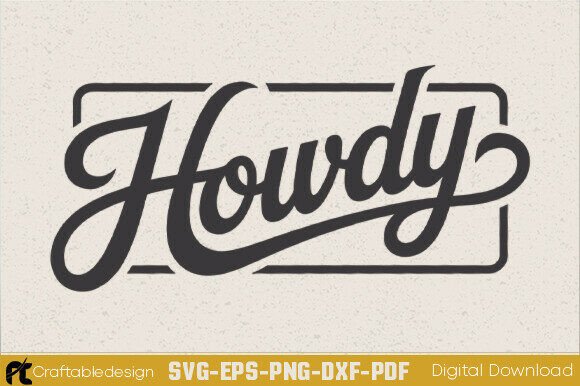
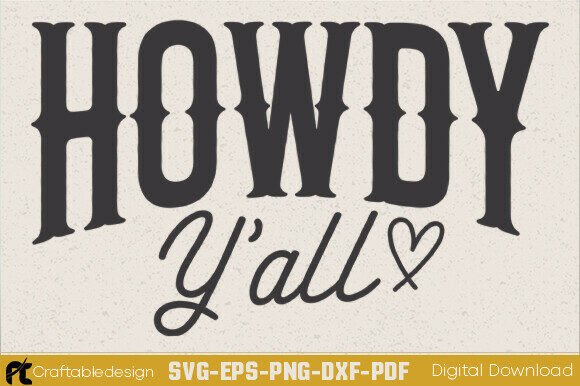
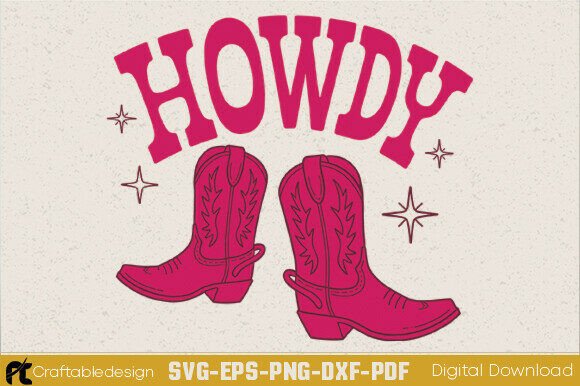
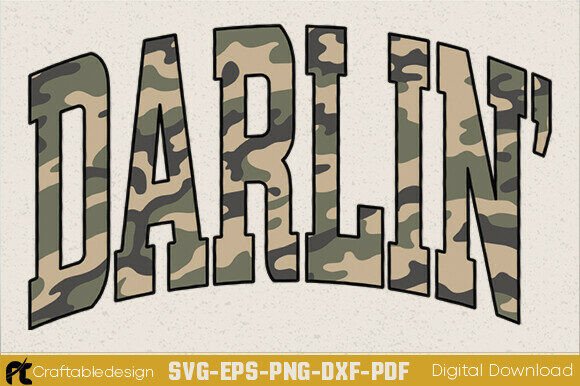
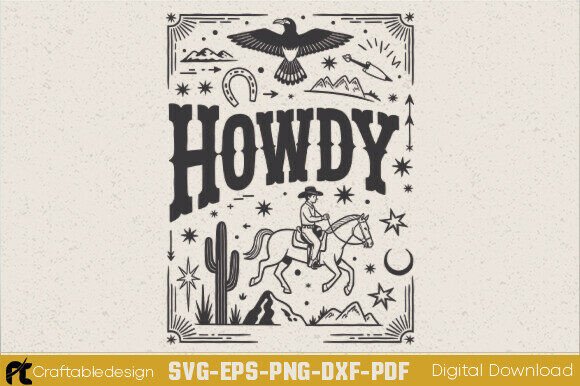
When I first opened the ZIP file containing the SVG, EPS, DXF, PDF, and PNG print-ready assets, the visual personality was immediately clear. The "Retro" aspect isn't just a label; the lines have a slight hand-drawn quality that suggests nostalgia without looking sloppy. For an embroidery project, this is crucial. Too much perfection can look sterile, but too much chaos creates stitching nightmares. This design strikes a balance. The layout feels open enough to allow for varied thread colors while maintaining a cohesive silhouette.
The mood is undeniably playful. It screams "funny western design," which makes it perfect for casual wear rather than formal attire. When visualizing this as a machine embroidery design, I can already see where the satin stitch would shine on the bold outlines, while the fill stitch would work best for the larger retro background elements. However, the true test lies in how these digital lines translate to physical fabric.
A Real-World Scenario: The Custom Embroidered Sweatshirt
Let's imagine a practical application. A local boutique owner approaches me to create a limited run of sweatshirts for a country music festival. They want something unique that stands out against the sea of generic logos. I decide to use the Retro Howdy Cowboy Western SVG for the back of a heavy-weight crewneck. Here is where the evaluation gets technical.
Sweatshirt embroidery requires careful consideration of fabric texture and stretch. The cotton fleece of a sweatshirt can distort if the stitch density is too high. With this specific design, the bold lines are forgiving. If I were to attempt this on a thin t-shirt, I might worry about puckering around the intricate details of the cowboy hat brim or the text. On a sweatshirt, however, the stabilizer can handle the weight of the thread better. The design allows for a medium hoop size, ensuring the image doesn't get stretched awkwardly across the shoulder seams.
I also consider the thread colors. A black sweatshirt would require a high-contrast color palette—perhaps bright orange or yellow for the main figure to make the "Howdy" pop. The retro style actually benefits from slightly muted, vintage-inspired tones, giving the finished product a curated, handmade feel rather than a mass-produced look. This elevates the perceived value of the item instantly.
Navigating Technical Challenges and Fabric Limitations
While the design is versatile, it is not without its constraints. As an experienced reviewer, I must warn against using this on certain substrates without modification. First, avoid tiny hoop sizes. The detail level in the cowboy figure and the accompanying text means that shrinking this down to fit a 4x4 inch hoop will likely result in muddy stitching where individual threads blend together.
Second, be cautious with textured fabrics like denim or canvas unless you adjust your tension settings. The uneven surface can cause skipped stitches, especially in the running stitch areas of the smaller details. If you are creating an embroidered patch, the backing needs to be rigid enough to support the design, but flexible enough to sew onto a cap or jacket later. Dark fabrics present another challenge; the white or light-colored fills in the design will show any shadowing from the base fabric if the stabilizer isn't applied correctly.
Furthermore, curved surfaces like baseball caps require a specialized cap frame. The "Howdy" text, if placed near the edge of the curve, might warp during stitching. In my experience, it is safer to place the main graphic flat on the front panel and keep the text straight. Always test the design on scrap fabric first. Check the thread color contrast and review the stitch density before committing to expensive materials.
Commercial Viability for Etsy Sellers and Craft Businesses
For the Etsy seller or the creative entrepreneur building a craft business, this asset offers significant potential. The "Funny Western Design" angle taps into a consistent niche market. Whether you are selling personalized gifts, holiday embroidery items, or custom apparel, having a ready-to-use digital embroidery file saves hours of digitizing time.
However, professionalism matters. Before listing a finished product, ensure the embroidery looks crisp. A poorly stitched version of the Retro Howdy Cowboy Western SVG can damage your brand consistency and customer trust. Buyers expect clean edges and no loose threads. Use proper stabilizer and inspect small details under good lighting. If you are offering this as a printable mockup or a digital product preview, the included PNG files are excellent for showing customers exactly what the final result will look like.
It is also vital to confirm licensing before selling finished items. While the file includes formats suitable for various uses, always verify if the license covers commercial embroidery projects or if it is restricted to personal use. Selling handmade products based on a design without the correct rights can lead to legal issues and account suspensions on platforms like Etsy.
Final Verdict: A Solid Asset for the Modern Maker
In conclusion, the Retro Howdy Cowboy Western SVG is a strong contender for your design library. It offers a distinct visual style that works well for tote bag designs, baby embroidery (if scaled appropriately), aprons, pillow covers, and kitchen towels. The variety of file types—SVG, EPS, DXF, PDF, and PNG—ensures compatibility with most modern cutting machines and embroidery software.
Its success ultimately depends on your execution. By respecting the limits of hoop size, choosing the right fabric texture, and paying attention to stitch density, you can turn this digital graphic into a high-quality, professional-looking finished product. For those looking to add a touch of western charm to their small shop merchandise or create a memorable personalized gift, this design provides a reliable foundation. Just remember to test, stabilize, and review before you cut the first thread.