Funny Farmhouse Baking Cutting Board Des Review
As a designer who has spent years navigating the intersection of digital graphics and physical thread, I approach every new machine embroidery design with a critical eye. The market is flooded with assets that look perfect on a screen but fall apart under the needle. When I first opened the Funny Farmhouse Baking Cutting Board Des, my immediate goal was to determine if this digital file could survive the transition from a crisp computer monitor to the textured reality of fabric. This isn't just about downloading an image; it is about evaluating whether this specific asset can elevate a handmade product or a small shop's brand identity.
The First Impression: Visual Personality and Layout
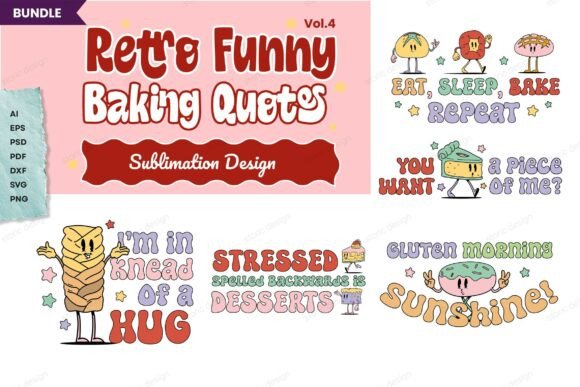
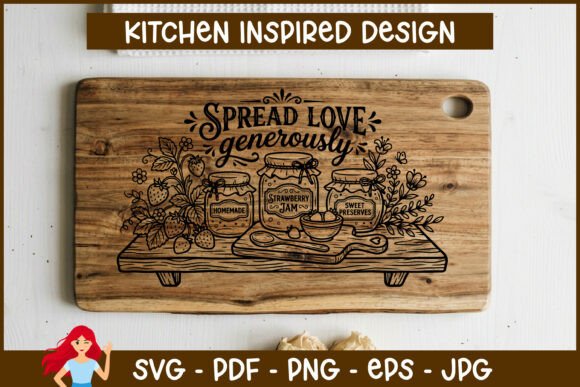
The moment you view the preview of the Funny Farmhouse Baking Cutting Board Des, the mood is instantly established. It leans heavily into the cozy, rustic aesthetic that defines the modern farmhouse trend. The layout feels balanced, avoiding the common pitfall of overcrowding where details get lost in a sea of stitches. For those of us creating custom apparel or home goods, visual clarity is paramount. This design manages to convey a sense of warmth and humor without becoming visually noisy.
From a technical standpoint, the line work appears clean, which is a promising sign for how the satin stitch and fill stitch will behave during production. In the world of Crafts and Graphics, the difference between a professional finish and an amateur one often lies in the simplicity of the vector paths. If the lines are too jagged or overly complex, the machine struggles, leading to thread breaks or puckering. Here, the shapes seem robust enough to handle standard embroidery speeds while maintaining their intended character.
Real-World Application: From File to Finished Product
Let's move beyond the screen and imagine a real-life scenario. Picture yourself running a small Etsy shop specializing in kitchen linens. You want to create a limited run of personalized aprons for the upcoming holiday season. The Funny Farmhouse Baking Cutting Board Des immediately suggests itself as a focal point for the bib area of a heavy-duty cotton canvas apron. The theme aligns perfectly with the target audience—bakers, home cooks, and gift-givers looking for something with personality.
In this context, the design functions as more than just decoration; it becomes a conversation starter. When a customer receives a tote bag or a sweatshirt featuring this embroidery, they aren't just buying fabric; they are buying into a lifestyle. The visual appeal directly impacts product value. A well-executed embroidery project signals quality. If the stitching is dense and even, customers perceive the item as premium, justifying a higher price point. Conversely, if the design fails to translate well, it can damage buyer trust and hurt your reputation as a seller.
I also see potential for using this as an embroidered patch. By stabilizing the backing correctly, you could sew this onto denim jackets, backpacks, or even baby blankets. The versatility of the design allows it to fit various niches, from nursery decor to boutique branding. However, the success of these applications depends entirely on how well the file is prepared for different fabric textures.
Navigating Fabric Challenges and Stitch Density
While the design looks promising, experienced decorators know that not all fabrics play nice with every pattern. If you plan to use the Funny Farmhouse Baking Cutting Board Des on thin or stretchy fabrics like jersey knit for t-shirts, you must exercise caution. Stretchy materials can distort the shape of the design once stitched, making straight lines look wavy. In such cases, a tear-away stabilizer might not be enough; a cut-away stabilizer would provide the necessary support to keep the design flat and true.
Similarly, dark fabrics present a unique challenge. The contrast between the thread colors and the background is crucial for readability. If the design includes fine details or tiny lettering, stitching them over a black sweatshirt without proper underlay can result in a muddy appearance. Always test the design on scrap fabric first. Run a test stitch in black and white mockups to see how the density holds up before committing to expensive thread and material.
Another critical consideration is the hoop size. While the description mentions downloadable files, it does not specify the exact dimensions. You must verify the width and height of the design against your machine's maximum hoop capacity. Attempting to embroider a large design in a small hoop can lead to registration issues where parts of the design do not align correctly. For curved surfaces like caps, the design may need to be adjusted to prevent distortion around the brim.
Practical Notes for Designers and Makers
For any serious craft business owner, the workflow begins long before the needle touches the fabric. Before purchasing or using the Funny Farmhouse Baking Cutting Board Des for commercial projects, review the licensing terms carefully. The product description notes that you receive EPS, SVG, PNG, and JPG files, which offers flexibility for both digital previews and actual stitching. However, ensure you have the right to sell finished products containing this design. Some licenses restrict the number of items you can produce or require attribution.
When preparing the file for your machine, check the stitch density. High-density areas can cause puckering, especially on lightweight tea towels or pillow covers. If you notice that certain sections are too tight, you may need to reduce the density in your editing software to allow the fabric to breathe. Additionally, consider the thread colors. Using variegated threads can add depth to the farmhouse aesthetic, but solid colors often provide better definition for text elements.
Finally, think about the end-user experience. Will this design hold up after frequent washing? Kitchen items like cutting board-themed towels or aprons endure significant wear and tear. Ensuring that the back of the embroidery is secured properly with a good adhesive or wash-away stabilizer will prevent fraying and extend the life of the handmade product. By taking these extra steps, you demonstrate professionalism and care, which are essential traits for building a loyal customer base.
Final Thoughts on Commercial Viability
The Funny Farmhouse Baking Cutting Board Des represents a solid opportunity for designers looking to tap into the ever-popular home and kitchen niche. Its visual personality is strong, and its application ranges from simple holiday gifts to sophisticated boutique merchandise. However, like any digital embroidery file, its success relies on the skill of the maker. It is not a magic bullet; it is a tool that requires proper preparation, testing, and execution.
If you are an Etsy seller or a small shop owner, take the time to create printable mockups to showcase how the design looks on different products before listing them. Show your customers the attention to detail by highlighting the quality of the stitching and the choice of materials. When used correctly, this design can become a signature piece in your collection, driving engagement and sales. Just remember to respect the limitations of your equipment and the nature of your materials. With careful planning, this graphic can transform from a simple download into a cherished, high-quality finished product.